
Best viral.app Alternatives in 2026 (Free & Paid)
Five real viral.app alternatives, free and paid, compared on one question: does the tool score your hook and tell you why it works? Checked 26 Oct 2026.

Editorial team at Blossom
We analyze thousands of viral TikTok and Instagram videos every week to find what makes content actually work. The patterns, the hooks, the formats, the why behind the views.
Five real viral.app alternatives, free and paid, compared on one question: does the tool score your hook and tell you why it works? Checked 26 Oct 2026.
Specific hook examples for TikTok: why a number, place or stake in the first line holds viewers a vague promise loses, and how to rewrite a soft hook three ways.

Iconosquare vs Blossom: Iconosquare compares Reels, carousels and posts. Blossom names the structure inside each video, so a winning shape becomes repeatable.

TokScript vs Blossom on retention: TokScript gets you the words of a video. Blossom maps where its hook, setup and payoff land and flags the weak stretches.

TikTok challenge ideas that actually grow an account: when to join on the curve, why a twist beats a copy, the niche fit test, and how to start your own challenge.
Talking head video tips for TikTok: a still face is the weakest opener. Put motion, a cut, or a specific claim in the first second and frame it for a phone screen.

HypeAuditor vs Blossom: HypeAuditor vets creators and audiences for brands. Blossom breaks one video down into what held viewers and what to fix. Checked Oct 2026.

ASMR TikTok ideas that hold viewers: why audio is the hook, how close framing and loops earn rewatches, and how to fold ASMR into product and food content.

Six real Later alternatives, free and paid, compared on price and on how deeply each one can break down a single video. Every fact checked 23 October 2026.

Social Blade vs Blossom: Social Blade charts how fast accounts grow. Blossom scores one video's hook 1 to 10 and writes out why it held. Both checked 23 Oct 2026.

Do transitions matter on TikTok? Only when the transition is the payoff. When a hard cut beats an effect, and when the transition video is its own format.
Background music volume under a voiceover on Reels and TikTok: keep the voice on top, duck the track under speech, and let music lead only in the gaps.

Six real Hootsuite alternatives, free and paid, compared on price and on whether they show where viewers leave a video. Every fact checked 21 October 2026.

Looking for a Planoly alternative? Planoly plans and schedules your feed; Blossom breaks one video down to why it held. Both checked 21 Oct 2026, honestly compared.
Recipe video TikTok tips that hold viewers: show the finished dish first, give one step that surprises, pace the prep to the hands, and end on something worth saving.

Unboxing video ideas for TikTok that hold: promise the payoff in frame one, let sound and hands carry it, cut the dead packaging time, keep the first reaction honest.

Blossom vs Sprout Social, honestly: Sprout reports on posts across your profiles, Blossom scores a video's hook 1 to 10 and explains why. Which fits your problem.
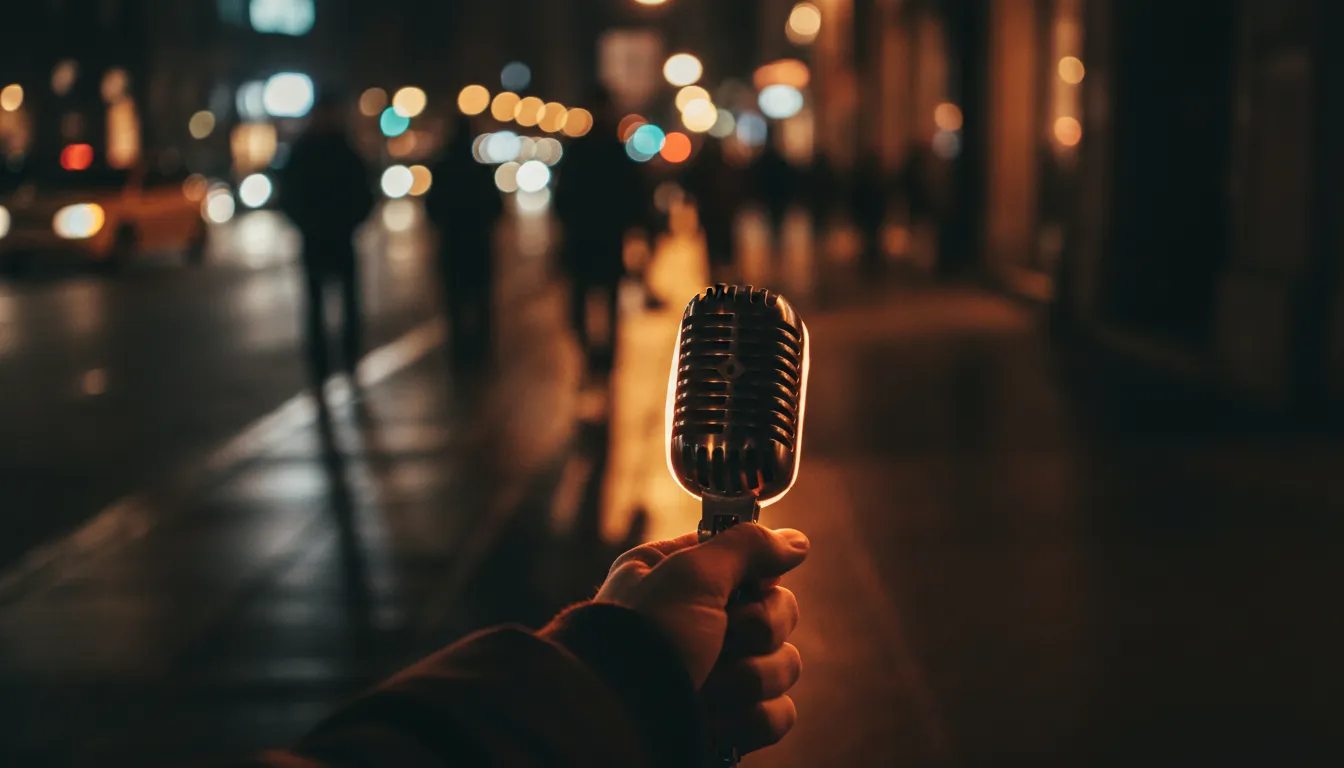
Street interview TikTok ideas that hold: lead with the question, pick the answer that surprises, cut straight to the reaction, and film strangers with real consent.

Blossom vs Buffer, honestly: Buffer schedules and reports on your posts, Blossom scores a video's hook 1 to 10 and explains why. Which one fits your problem.

How to make educational TikToks engaging: lead with what the viewer gains, teach one idea per video, show instead of tell, and end on the line worth saving.

Looking for ScriptLabs alternatives? Six real options compared on one question: does the tool name the format a video is built on? Free picks included.

What Instagram Reels skip rate measures, why published benchmarks disagree, how to judge yours against your own baseline, and the opening fixes that lower it.

How to make a storytime TikTok people finish: state the stakes before the setup, open one loop, give the eyes work, and split long stories without baiting.
Looking for a TokScript alternative? TokScript transcribes what a video said. Blossom scores the hook 1 to 10 and explains why it held. Here is the honest split.

Looking for Exolyt alternatives? Five real tools compared on one question: when data shows what to make, does the tool give it a day and a place to ship? Free picks too.

Looking for Rizko alternatives? Six real options compared on one question: does the tool show where a video loses viewers, second by second? Free picks included.

TikTok skit ideas only work if the premise lands in the first line. How to open a comedy skit, cast a character people recognize, and keep viewers to the punchline.

How much on screen text for Reels is right? One hook line, short cards timed to speech, and text that never asks viewers to read longer than the shot lasts.

Looking for a viral.app alternative? One axis compared: tracking views across creators at scale vs a timestamped read of where one video gains and loses attention.
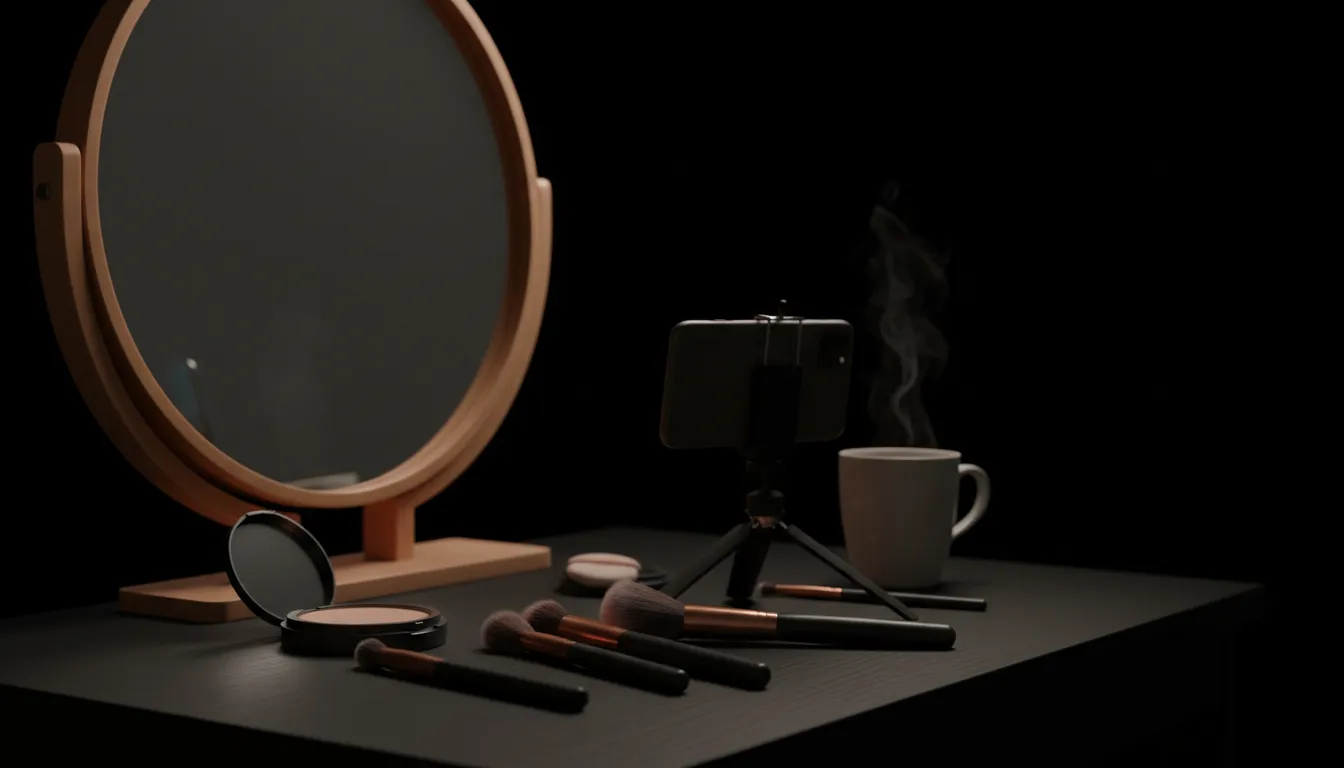
GRWM TikTok ideas work when the routine is background and the story is the content. Here is how to pick the point, pace the hands, and avoid the stall.

Looking for an Iconosquare alternative? Benchmarks show how you compare with your industry. Blossom shows which traits set your own best videos apart.

Reaction video ideas for TikTok that grow: add a layer the clip lacks, keep your face the subject, and clear both platforms' originality rules.

Looking for a HypeAuditor alternative as a creator? HypeAuditor checks whether an audience is real. Blossom names the tactics inside the video that held it.

Myth busting content ideas that work: open on a belief your niche holds, make the proof the payoff, and give viewers a correction worth saving as reference.
Controversial hooks on TikTok earn comments fast, but rage bait rarely earns follows. How to open with a defensible take and back it up so the right viewers stay.

Looking for a Sprout Social alternative for short-form video? Sprout reports how each post performed. Blossom names the format it used, so you can make it again.

Later vs Blossom: Later schedules and reports on your posts, Blossom scores a video's hook 1 to 10 and says why it holds. Both checked 13 Oct 2026.

Content ideas when you run out: mine your comments, your own top performers, and adjacent winners, then remix a proven angle instead of starting from a blank page.

Looking for a Hootsuite alternative to write short-form videos? Hootsuite drafts on-brand posts; Blossom builds scripts from analyzed videos that already worked.

How to repurpose a long video into short clips: find the self-contained moment, re-hook it with a new first line, and skip the segments that never survive the cut.

Exolyt vs Blossom: one listens across TikTok accounts, hashtags and sentiment, the other breaks down a single video end to end. Both checked 12 Oct 2026.

Listicle TikTok ideas that hold viewers: why a numbered promise works as a retention contract, where to put your best item, and why item two is where viewers leave.

What counts as a good TikTok rewatch rate, how to read it from the numbers you already have, and the three video structures that genuinely earn a second watch.

Looking for a Social Blade alternative? Social Blade tracks how fast accounts grow. Blossom breaks one video down to why it worked. Both checked 12 Oct 2026.

Five real ContentHooks (MinoAI) alternatives, free and paid, compared on one question: when you remake a video, does the tool say if it improved? Checked 11 Oct 2026.

Looking for an Exolyt alternative? Exolyt tracks TikTok accounts, hashtags and sentiment. Blossom scores one video's hook 1 to 10 and says why it holds or fails.

POV TikTok ideas that hold: why the viewer-as-character format works, the three POV shapes that last, and why most POV captions are too generic to stop a scroll.

How to know if your content is improving: views are a noisy scorecard. Compare versions of the same idea, track ratios per reach, and judge the craft, not the week.

ScriptLabs vs Blossom, compared honestly: one learns from your own rated hits and the profiles you scrape, the other sorts a whole niche into shared patterns.
Voiceover vs talking to camera on TikTok: a face buys trust and pacing control, a voiceover buys density and proof. Which formats favor which, and the hybrid.

Six real ViralHits alternatives, free and paid, compared on price, platforms, and whether they learn what works for your own account. Checked 9 October 2026.

TikTok call to action examples from high-performing videos: most ask for nothing out loud, the rest ask once, late, and give a reason. Here's how to write yours.

How to reach non-followers on Instagram Reels: build every Reel so a stranger can enter it cold, pass the first-seconds test, and has a reason to keep watching.

Looking for a Rizko alternative? Rizko finds trends well. Blossom adds what comes next: a content calendar, reminders, and a script on the day you planned to post.

Six real Brika alternatives, free and paid, compared on price, platforms, and whether they name the format a video runs. Checked on 8 October 2026.

Do likes matter on TikTok and Reels in 2026? Yes, as the earliest and cheapest signal. Here's what likes still tell you, and what saves and shares tell you instead.

Looking for a HookMafia alternative? HookMafia scores your angle before you film. Blossom reads your second cut against your first. Here is the honest split.

Why did your views drop after going viral? It's normalization, not punishment. Here's what changed, and how to read your next five posts to know for sure.

Looking for Sandcastles alternatives? Five real tools compared on one question: does the idea you found get a day, a reminder and a place to ship? Free options too.

Looking for Savante alternatives? Six real tools compared on one question: can your own AI assistant or scripts call the data over MCP or an API? Free options included.

The best video editing apps for TikTok in 2026, free and paid, plus the four edit decisions that move retention no matter which app you open.

How to make a product review video for TikTok that people trust: verdict first, one test that proves it, an honest negative, and a close that earns the save.

Before and after video ideas for TikTok that hold to the reveal: promise the after in frame one, delay it without losing viewers, and show proof, not a filter.

Six real VidLabs alternatives, free and paid, compared on one question: can Claude or your own scripts call the tool directly? Checked 6 Oct 2026.

ViralHits vs Blossom on one axis: both break down a video, but only one keeps your previous cut and reports whether the next draft fixed what the first got wrong.

Most day in the life TikTok ideas fail because nothing is at stake. Use the one-tension rule, pick three moments, and pace a whole day into thirty seconds.

Does AI-generated content get fewer views on TikTok? The label itself is not the penalty. Skipping it is. Here is where synthetic videos actually lose viewers.

Brika vs Blossom for agencies: Brika groups creators into benchmark sets, Blossom keeps each client in its own workspace with a production board. Checked Oct 2026.

Sandcastles vs Blossom on retention: Sandcastles finds outliers and explains why they went viral. Blossom maps the moments in a video where viewers are likely to leave.

A TikTok video under review is going through a routine safety check. Most clear in minutes. Here is what stretches the hold, and what to change in the next video.

Savante vs Blossom: Savante researches live posts and writes scripts in one chat. Blossom maps where a single video holds or loses viewers, with timestamps.
How to be confident on camera for TikTok and Reels: viewers read energy, pace, and eye line, not calm. Here is how to fake all three until it stops being fake.
TikTok vs Instagram algorithm in 2026: TikTok judges each video on interest and completion, Reels on watch time and sends. Here is what that changes in your next post.

Looking for a ViralHits alternative? An honest comparison on one axis: what happens after the analysis, when a saved idea needs a day, a script, and a result.

How to read a TikTok retention graph: what the early cliff, a slow slope, a mid-video dip and an end bump each mean, and the one fix each shape is asking for.
Looking for a Sandcastles alternative for hooks? Sandcastles writes hooks from viral templates. Blossom scores the hook you already have, 1 to 10, and says why.

How to batch create content for TikTok and Reels without seven videos that look like one: script in bulk, vary the first frame, and post them spaced.

Six real Viral Video Analyzer alternatives, free and paid, compared on one question: can the tool show what is trending inside your niche? Checked 2 Oct 2026.

Honest Yoloco alternatives for 2026, checked on each vendor's own pages: which ones vet creators, which score a video's hook and explain why, and which are free.

Is the creator economy still growing in 2026? Yes, but the money moved. Brand spend keeps climbing, platform payouts did not. Here is what to build first.

B-roll ideas for TikTok that keep viewers watching: film proof, not filler. Cut on the claim, show the thing you just said, and skip the stock montage.

Six real Runwave AI alternatives, free and paid, compared on what happens after the script: can the tool check your cut and compare the re-cut? Checked 30 Sep 2026.
Six real Virlo alternatives, free and paid, compared on one question: can the tool show where viewers leave your own video? Checked 30 Sep 2026.

Can you duet on Instagram? Yes, it is called Remix. What it copies from TikTok's Duet, what it does not, and when a remix borrows reach instead of giving it away.
CreatorScope alternatives, free and paid, compared on one question: does the tool show what is rising in your niche now, or only what worked in your past posts?

Five real Viraly alternatives, free and paid, compared on price, platforms, and whether they score a video's hook and tell you why. Checked 29 September 2026.

What should a small business post on TikTok and Reels? Show the work, answer buyer questions, and hook without pitching. Formats that sell without reading like ads.
Which videos should you pin on TikTok and Instagram? Pin by what converts a stranger into a follower, not by view count. Here is the three-slot structure that works.
Six real Augur alternatives, free and paid, compared on price, platforms, and whether they help you plan what to post next. Checked 28 September 2026.

Six real ViralAri alternatives, free and paid, compared on one question: can the tool check a draft before it posts and compare the re-cut? Checked 28 Sep 2026.

How to write a TikTok script that holds: start from the payoff, pass the one-sentence premise test, then plan every beat of a 30-second video as a retention map.

Do TikTok photo carousels get views? Yes, when the swipe does the work video watch time does. Which content fits photo mode, how many slides, and when to film instead.
Five real Leen Studio alternatives, free and paid, compared on one question: can your AI assistant or your own code reach the data? Checked 27 Sep 2026.

Honest Vervox alternatives for 2026, checked on each vendor's own pages today: which ones show the second a video loses people, and which are genuinely free.

How to start a TikTok video: skip the greeting and the setup, open inside the action with a cold open, and add context only once the viewer has chosen to stay.

How does the Instagram Reels algorithm work in 2026? It ranks watch time first, sends per reach second, likes last, and tests every Reel on strangers first.

Six real PreAlgo alternatives, free and paid, compared on one question: does the tool remember your first draft when you grade the second? Checked 26 Sep 2026.
Six real Viralo alternatives, free and paid, compared on price, platforms, and whether the next video gets a date and a script. Checked 26 September 2026.

Yes, time zones still matter on TikTok and Reels, but not the way the charts say. Post to where your engaged viewers live, not to your own clock.
Why you can't use trending audio on an Instagram or TikTok business account, what original audio and voiceover do better, and when switching account type is worth it.

Honest Meedro alternatives for 2026, checked against each vendor's own pages today. Which ones map where a video loses people, and which one is genuinely free.

Runwave AI vs Blossom on one axis: a finished in-app workflow versus analysis your AI assistant and your own code can query. Dated facts, and where Runwave wins.

Engagement bait raises the cheapest signal and lowers reach. Here is how to increase engagement rate on Instagram by changing the video instead of asking for comments.

Should your TikToks be over 1 minute? The threshold is a payout eligibility rule, not a reach rule. Here is what padding to 61 seconds costs you, and when length earns.

Honest Modash alternatives for 2026, checked against each vendor's own pages. Which ones find creators, which ones break down a video, and which is free.

TikAlyzer alternatives, free and paid, compared on one question: which tools show you what is working inside your niche, not in a global trend feed.

TikTok completion rate vs watch time: one is a percentage, one is seconds. Here is which number moves distribution, where they disagree, and which to fix per format.

Instagram flagged a Reel as not eligible for recommendation. Here is what the label covers, what it does not, and how to tell if it's the post or the account.

TransClipper alternatives, free and paid, compared on one question: which tools tell you whether your second cut of a video actually fixed the first one.

How does the TikTok algorithm work in 2026? It tests each video on small batches, reads how they watch, and widens only when they stay. Here is the whole loop.
Socialinsider alternatives for creators, free and paid, compared on one question: which tools take a single competitor video apart, not just the account.
ViralScribe alternatives compared, free and paid: which tools score the hook of a video and explain why it works, not just turn it into a new script.

The TikTok video size for 2026 is 1080 by 1920 at 9:16, and it works for Reels too. The one export for both, what gets cropped, and what costs retention.
Why don't my videos go viral? Usually one of four things failed: the idea, the packaging, the payoff or the fit. Here is how to tell which one, and fix only that.

Ospri alternatives compared, free and paid: which tools flag the outlier, and which ones show you where inside the video the attention was actually won or lost.

Does the algorithm reward consistency? Not directly. Consistency buys a clear niche read and fast feedback, and those are what make the next hit possible.

Is it harder to go viral now? Harder for generic content, easier for specific content. Here is what changed on the supply side and what still travels in 2026.

Six real Shortimize alternatives, free and paid, compared on price, platforms, and whether they help you plan the next video. Checked 16 September 2026.
Green screen vs talking head on TikTok: the backdrop only helps when it is evidence the viewer needs to see. Here is when each format holds attention and when it fails.

Six real Metricool alternatives, free and paid, compared on price, platforms, and whether they name the format a video runs. Checked 15 September 2026.

How to tell a story in a short video: three-act structure breaks on vertical. Open on the tension, shrink the setup, and pay off before viewers leave.

How to make a tutorial video for TikTok: show the result first, give each step its own beat, let the step count set the length, and make it work muted.

Looking for a Vervox alternative? Vervox scores a video out of 100. Blossom keeps a version history, so your second cut is checked against your first.

Viraly vs Blossom on one axis: Viraly writes captions and ideas inside a scheduler, Blossom writes video scripts from analyzed videos that already worked.

Yoloco vs Blossom on one axis: Yoloco reports a creator's audience and sponsored placements. Blossom breaks one video down into why it held viewers.

Should you repost your old TikTok? A same-file re-upload rarely earns reach twice. Here is when a rebuild works, when it reads as filler, and the window that matters.

Why did your TikTok stop getting views after an hour? Distribution arrives in test batches. Here is what stalled yours, and the three fixes for the next one.

A creatorscope vs blossom comparison on planning: a one-time report says what to post next, a calendar and board carry it through the month.
A viralari vs blossom comparison on developer access: what each one exposes to Claude, Notion or your own scripts, checked on both public sites 13 Sep 2026.

How long should a hook be on TikTok, Reels and Shorts? Roughly 1.5, 3 and 5 seconds. The real rule: a hook ends when the viewer knows why to stay.
Do video replies get more views on TikTok? Often, because the comment already did the hook's job. Here is when a reply earns reach and what it rarely earns.

Meedro vs Blossom on one axis: both will rewrite a script in your voice, but only one of them tells you whether version two fixed what version one got wrong.

Viralo vs Blossom, compared on one axis: a score across 15+ signals per video, or a named format you can filter a whole library by. Both checked 2026-09-12.

How to analyze your own TikTok analytics once a month: four comparisons that beat daily checking, and why per-format reviews teach more than per-video post-mortems.
Does text to speech hurt TikTok reach? Not directly. It costs you the emphasis, pacing, and trust a real read carries. Here is where that shows up.
Looking for a ReverseClip alternative? Seven real options compared on price, platforms, and whether they keep client work separate. Checked 11 September 2026.

TikAlyzer vs Blossom, compared honestly on one axis: a 0-100 score on today's draft, or named hooks, formats and tactics you can reuse. Both checked on 2026-09-11.

Does an Instagram collab post help reach? One video, two feeds, one shared engagement pool. Audience overlap decides whether that is a real lift or a quiet dilution.

Do looping TikToks get more views? A seamless loop reliably inflates watch time, but only some formats turn it into reach. Where it works, and where it reads as a trick.

ContentHooks vs Blossom, compared on trend visibility: ContentHooks coaches the video you paste. Blossom also shows which content shapes are rising in your niche.

Socialinsider vs Blossom: one benchmarks accounts across six networks, the other scores a single video's hook 1-10 and explains it. Both checked 10 Sep 2026.

How many cuts should a TikTok have? Pace is set by information density, not by trend. The per-format cutting bands, and the one place a cut costs you the viewer.

Do part 2 TikToks work? Part two almost always underperforms part one. Here is why the split costs you twice, when a series genuinely compounds, and the alternative.

Modash vs Blossom, compared honestly: one finds and manages creators for brand programs, the other maps where a video loses the viewer. Which job do you actually have?

VidLabs vs Blossom on one axis: knowing what is rising inside your own niche. Dated facts from both products' public pages, and the rows VidLabs honestly wins.

Do old TikToks get views again? Yes, and not at random. Here is what makes a back catalogue video eligible for a second life, and what quietly rules it out.

Original audio vs trending sound: what a trending track actually buys you, when it suppresses the video it was meant to lift, and how to decide per video.

Leen Studio vs Blossom on one axis: what happens after you re-edit a video. Version history, dated pricing facts, the honest gaps, and who each tool is really for.

ReverseClip vs Blossom on the second pass: both break down a winning video, but only one of them remembers your first attempt when you re-analyze the rewrite.

How to write an Instagram bio for creators: the two questions a visitor answers in four seconds, why your bio doubles as a topic signal, and three formats that convert.

Why did one TikTok go viral and not the others? Separate the transferable layer (hook shape, format, pacing) from the luck, and rebuild only the part that carries.

TransClipper vs Blossom on one question: where do the videos you analyze come from? Bulk breakdowns explain the past. A niche trend read points at next week.

ViralScribe vs Blossom on one question: how deep does a single video breakdown go? Extraction hands you a script. A breakdown tells you what to reuse.

Should creators sign with an agency in 2026? Commission runs 15 to 25 percent. Here is the revenue floor where that math works, and the terms worth refusing.

Saves vs shares on Instagram, and which matters: a save is future intent, a share is social currency. One video rarely earns both, and here is why.

A prealgo vs blossom comparison on one axis: what happens to a video idea after the pre-post grade. One tool scores the draft, the other plans and tracks it.

Shortimize vs Blossom: one tracks views across unlimited accounts by the hour, the other maps where a single video loses people, second by second. Honest comparison.

Does the Reels cover photo matter? Not in the feed, where nobody sees it. It decides your grid, your search results, and whether a profile visit turns into a follow.

The useful answer to what type of content goes viral is structural. Five shapes travel across every niche, and the topic is the part you supply yourself.

Virlo vs Blossom, compared on one axis: the hook. A trend rank tells you a video spread. A Hook Score tells you whether the opening actually held anyone.

Do comments help the TikTok algorithm? Yes, but not the way most creators assume. Here is what comment velocity signals in the first hour, and what it cannot fix.

An off-niche trend does not cost you one bad video. It brings the wrong audience, and that audience prices your next three posts. Here is the real bill, and the fix.

An honest Ospri alternative comparison on one axis: the tool finds the outlier and remixes it into a script. This is about where that script lives until it ships.

An honest Augur alternative comparison. Augur surfaces the breakout videos in your niche. Blossom maps where one builds, stalls and pays off, second by second.

Does taking a break hurt your TikTok account? Not the way creators fear. Here is what genuinely decays during a gap, what does not, and how to come back.

Your TikTok uploads look blurry because every upload is re-encoded. Here is what survives compression, what dies in it, and how to export so it holds up.

Looking for a Viralo alternative? Viralo scores a video and moves on. Blossom names its hook, format and tactics, and keeps hooks and formats as reusable classes.

Most banned-hashtag lists are fiction. Here is the only real test for a blocked tag in 2026, and the four tag types that quietly cost you reach anyway.

Instagram trial reels show a Reel to non-followers only for 72 hours. Here is what that actually isolates, which videos deserve one, and how to read the result.

A ScriptLabs alternative for creators without a hit history to feed it. An honest comparison of your-own-performance grounding against a cross-creator library.

A TikAlyzer alternative for creators who need patterns across a niche, not a score on one draft. Both tools compared honestly, checked 2026-09-03.

How to get your first brand deal by writing first: the list of brands already paying creators your size, the one-page pitch, and what to charge with no rate history.

Views are the wrong scoreboard for an opening. Here are the three retention numbers that actually grade your hook, where to find them, and the test that isolates it.

Looking for a Viraly alternative? Viraly publishes and reports across 11+ networks. Blossom breaks the video down, question by question, so you know why it worked.

Looking for a Yoloco alternative? Yoloco vets creators for brand campaigns. Blossom names the tactics inside the video, with timestamps, so you can reuse them.

Looking for a Viral Video Analyzer alternative? A head-to-head on one axis: one report per pasted video, versus a filterable library of patterns across accounts.

How to get your first brand deal when nobody knows you exist: the findability, the one unpaid demo, and the profile setup that makes a brand reach out first.

Should you post Reels or photos on Instagram in 2026? Reels buy reach, carousels buy saves, stills convert the profile visit. Here is the mix that feeds all three.

Looking for a ViralAri alternative? ViralAri ranks patterns inside your own channel. Here is what changes when the same patterns are read across 220,000+ videos.

An honest Augur alternative comparison. Augur surfaces the outliers moving in your niche. Blossom names the structural format so you can reuse it deliberately.

What equipment do you need for TikTok videos? Far less than the recommendations suggest. Here are the three upgrades that measurably change retention, in order.

Should you post the same content on TikTok and Instagram? Usually yes. Here is the short list of what genuinely has to change, and the re-cut that takes four minutes.

Looking for a Shortimize alternative? Shortimize tells you which video spiked. Here is what changes when the tool also scores the hook and explains why it worked.

Metricool vs Blossom on video retention: Metricool reports the retention rate and average watch time, Blossom maps the video second by second and names what happened.

How to make a content calendar for TikTok that survives a bad week: plan pillars and formats instead of captions, batch by production step, and keep one slot empty.

A Leen Studio alternative for creators posting to both apps: Instagram-only channel intelligence compared honestly with a shared IG and TikTok library.

How to convert views into followers: the view to profile-visit to follow funnel, the four-second scan a visitor runs on your grid, and why the profile closes.

Instagram's original content rule now covers photos and carousels, not just Reels. What counts as materially transformed, and what costs you recommendations.

The TikTok safe zone in 2026 is not one rectangle, and it moves when you cross-post. Here is what each app covers, and where your hook has to land.

A TransClipper alternative that does not stop at the breakdown. An honest comparison of a research library against a plan with dates, owners and outcomes.

A ViralScribe alternative for creators who need to know what to script, not just how. An honest comparison of script extraction against a niche trend surface.

Looking for an Ospri alternative? A head-to-head on one axis: detecting which video beat its creator's baseline versus scoring the hook and saying why it held.

Looking for a CreatorScope alternative? A one-off report tells you what was wrong. Re-analyzing the re-cut tells you whether the fix actually worked.

How to find trending sounds on TikTok before they peak: where audio surfaces days before the trend pages catch it, and the signals that say a sound is still climbing.

Should you niche down on TikTok? Both extremes fail in 2026. Pick one audience problem, vary format instead of topic, and build the three-pillar structure that holds.

Does scheduling posts hurt reach in 2026? The scheduler is not the problem. Here is what the platforms actually treat differently, and the real cost nobody prices in.

Looking for a VidLabs alternative? A framework label describes one video. Named tactics, plus hook and format classes you can filter, carry to the next one.

How many followers to make money on TikTok or Instagram? Program thresholds run 500 to 10,000. The doors that pay best have no follower minimum at all.

Looking for a PreAlgo alternative? Pre-post scoring tells you about one video. A filterable library tells you what already works across hundreds of accounts.

How long should a TikTok caption be? Only about one line shows before the cut. Here is what belongs before the truncation, and what belongs after it.

Looking for a Virlo alternative? A trend feed tells you what spread. Here is what a per-video breakdown adds on top, and where Virlo still wins outright.

How many views is considered viral? There is no universal number. Viral is a multiple of your own median views, and here is the math plus the bands that matter.

Searching for a Modash alternative? Modash finds and manages creators for brands. Blossom scores the hook inside the video 1-10 and explains why. Different jobs.

Instagram Reels views dropped in 2026? Run the three-account control test that separates a platform-wide reach contraction from an account-level problem.

Looking for a Runwave AI alternative? A fair, dated comparison on one axis: whether your next script inherits from one reel you picked or from many that already worked.

Looking for a Brika alternative? Growth charts and niche plans tell you what worked out there. Blossom builds a signature of what works for your account.

Is buying followers worth it? No — and the reason isn't moral. Bought accounts break the engagement math and the signal that decides who sees your next post.

Looking for a Savante alternative? Savante researches live posts inside a chat. Blossom turns every analyzed video into a filterable library that compounds.

Looking for a Socialinsider alternative? Socialinsider benchmarks accounts across six networks. Blossom reads what content patterns are working inside your niche.

How much do creators with 100K followers make in 2026? The honest range is roughly $4K to $20K a month at identical size. Here's what decides where you land.

The YouTube Shorts algorithm in 2026 grades swipe-aways, subscriber conversion, and satisfaction — not just completion. Here's what that changes about what you post.

Looking for a Vervox alternative? A head-to-head on one axis: whether your script comes from a distilled expert rubric or from videos that already worked in your niche.

Looking for a Meedro alternative? Meedro hands you 500,000+ viral videos to borrow from. Blossom scores your hook 1–10 and tells you why it fails. Both are real jobs.

How to keep retention high on longer videos: why past 30 seconds you need a second and a third opening, where each re-hook lands by format, and what to cut.

TikTok or Instagram Reels for beginners in 2026? Pick the platform by feedback speed, not audience size — and why one platform to competence beats two to mediocrity.

Rizko vs Blossom on one axis: what happens after the score. Where each tool's scripts come from, what Rizko genuinely does better, and who each one is for.

Looking for a ContentHooks alternative? ContentHooks coaches your hook. Blossom also files the format as a reusable class and names the tactics inside it.

Why aren't your followers seeing your posts? A follow is a weak signal in 2026. What follower reach rate really measures, and how to re-earn the feed slot every time.

Which creators should I study? Not the ones you admire most. The one-tier-up rule, why mega-account tactics don't transfer down, and what to copy from each.

Should you repost the same video with a different hook? Only when the re-cut is a real second test. What to change, what to hold constant, and when to stop testing.

Looking for a Metricool alternative? Metricool schedules and reports across 11 platforms. Blossom scores the hook on a single video and explains why it landed.

Looking for a ReverseClip alternative? ReverseClip studies the creators you add. Blossom surfaces the hooks and formats working across your whole niche.

Do TikTok trends move to Instagram Reels? Some do, on a lag. Which trend types survive the border crossing, which die at it, and how to arrive early on platform two.

Why is my hook not working? Usually one of five failure shapes — throat-clearing, a promise with no stake, or a hook the video never pays off. Each one, and the fix.

We checked seven viral video analysis tools against their own public pages in August 2026. What each one actually does, what it costs, and which question it answers best.

Is it ok to copy a viral TikTok format? Formats are recipes, not property — here's the line between format, execution, and asset, and the three things you must replace.

What do brands look for in creators in 2026? Five filters, run in a fixed order — and follower count is a distant sixth. Here's the 30-second audit before anyone replies.

Duet vs stitch on TikTok: one borrows an audience, the other borrows context, and both inherit someone else's opening. Which remix to use — and when to rebuild.

Do Instagram carousels still work? Yes — as a save engine, not a reach engine. Here's the slide-count band that holds up and why slide two decides the post.

Do subtitles help TikTok views? Not the way it's usually sold. Captions protect the views you already earned — and here's exactly where burned-in text costs you.

How often should you post on TikTok in 2026? Not a fixed number. Your cadence is a function of your hit rate — here's how to find the floor you can actually hold.

Does deleting a TikTok video hurt your account? Not the way creators fear — but it costs you more than it fixes. Here is the archive-vs-delete call, case by case.

How long does it take to get 10K followers on TikTok? Not a fixed number of months — an equation of hit rate, reach per hit, and follow rate. Here's the math.

Am I shadowbanned on TikTok? Usually not. Here is the three-level diagnostic that separates real suppression from a classification problem, and the fix for each.

Reposting a TikTok to Instagram Reels can cost most of a video's reach. Here's what actually gets downranked in 2026, and the clean re-export workflow that avoids it.

Follower count isn't a ranking input and raw views measure distribution, not content. Here are the five social media metrics that predict next month's reach.

Do hashtags still work in 2026? As a weak topic hint, yes — as distribution, no. Here's what tags actually do now, and what earns the reach creators credit to them.

The ideal TikTok video length in 2026 isn't one number — your format sets it. Here are the per-format bands, and when going longer earns more reach than cutting.

Does faceless content work? Yes — but only when something takes over the four jobs a face was doing. Here's what carries a faceless video, and where it reliably fails.

How early to jump on TikTok trends: the four phases of a trend's adoption curve, the saturation signals you can read yourself, and what an off-niche trend costs you.

TikTok SEO in 2026 is a second discovery engine beside the For You feed. Here's what in-app search actually reads, and how to build videos that keep earning views.

Most Reels lose the save in the last three seconds. Here's how to get more saves on Instagram Reels by treating the closing line as a second hook, not a plea.

A good retention rate on TikTok is 60–70% under 15 seconds and 40–50% at a minute. Here are the benchmarks by video length, and the three points where viewers leave.

Visual hook vs verbal hook: the first frame does one job and the first line does another. Here's what each is for, and how to stack both without cancelling either.

What to post after going viral: why your next video underperforms against a baseline that just moved, the 48-hour follow-through window, and the two-post plan.

A disqualifying hook tells the wrong viewer to skip in second one. It costs you views and lifts saves, shares, and follows. Here's how to write one that works.

The average engagement rate on Instagram in 2026 is 0.48%, and on its own that number is useless. Here are the benchmarks that actually apply to your niche and size.

Universal best-time-to-post charts fail because they average every niche together. Here's how to find the posting band your own audience actually scrolls in.

No tool can guarantee virality. Here's what content analysis genuinely improves about your odds of going viral on TikTok — and the part no software controls.

The Instagram algorithm changes in 2026 come down to one thing: which signal counts. Sends now outweigh likes. Here's how to build videos people forward.

How to research a content niche without stalling: why 25 videos across 5–10 creators is the sweet spot, the three things to track, and when to stop researching.

The best TikTok niches in 2026 aren't a list you copy. They sit where your knowledge overlaps rising audience velocity — here's how to find yours.

A single viral video teaches you almost nothing. Here's how to analyze competitor Reels properly — the six load-bearing questions, and what breaks at 30 videos.

Instagram's algorithm assigns your niche from the video itself, not your bio. Here's how that classification actually works, and why mixing niches resets your reach.

Most question hooks fail because they could be asked of anyone. Here's the specificity test, TikTok hook examples that pass it, and the 2026 two-layer stack.

We run every video's audio through beat, drop, and energy-section detection. Here's what BPM, beat strength, and drop timing actually tell you about pacing.

Getting views but no followers on TikTok or Reels means your video earned passive attention and no active signals. Here's how to diagnose it and fix it.

TikTok views stuck at 200 is a test wave, not a shadowban. What that first distribution round measures, the two mistakes that reset it, and the 14-day fix.

What actually makes the first three seconds of a TikTok work in 2026, broken down by the hook archetypes our analysis pipeline sees most often.

We score the same videos for both Reels and TikTok with the same engine. Here's what the score gap actually tells us about how each platform reads content.

A walkthrough of how to score a video before you publish — hook, format, tactics, music, suggestions — and which signals actually matter.