Reaction Videos in 2026: What Makes One Original Enough to Grow
Reaction video ideas for TikTok that grow: add a layer the clip lacks, keep your face the subject, and clear both platforms' originality rules.

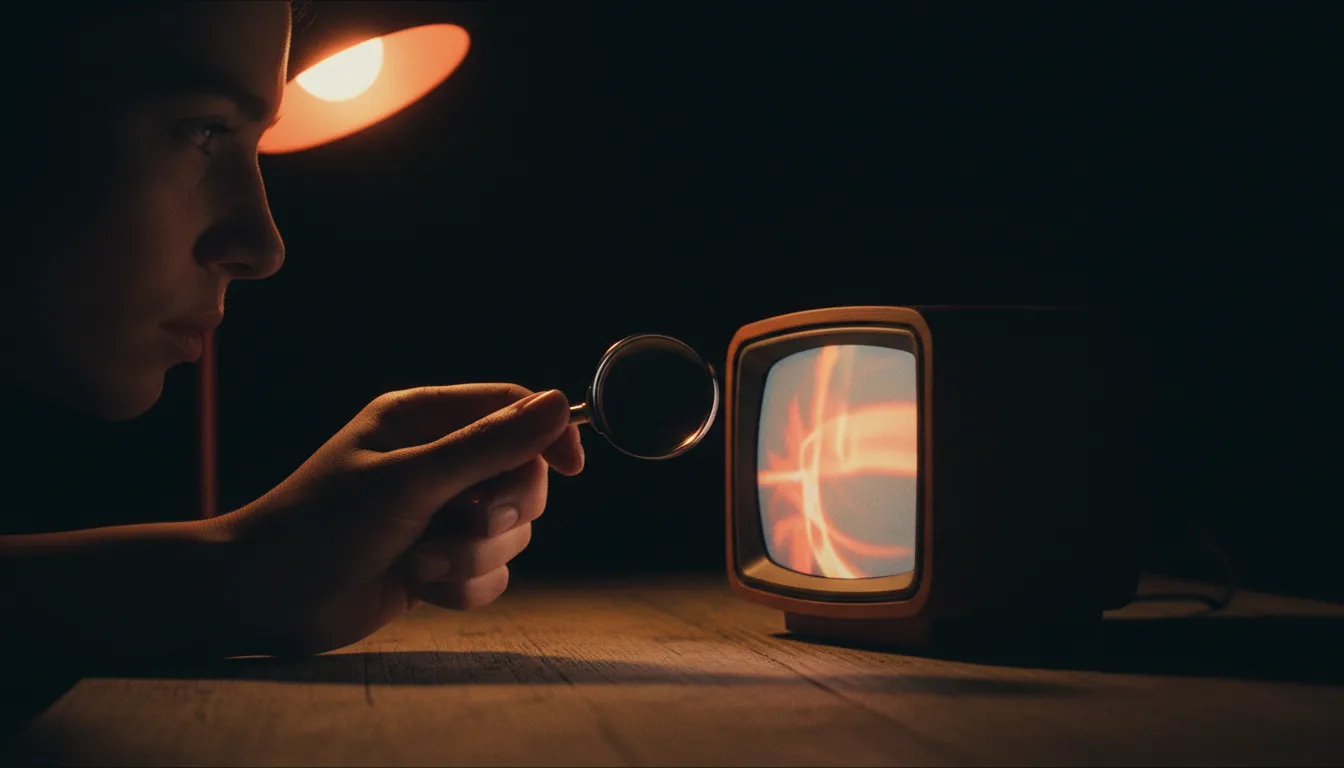
Most reaction videos are reposts with a face in the corner. The viewer came for the clip, the clip was better the first time, and the person reacting adds a gasp and a “no way” that anyone could have added. That is why the format has a reputation for cheap views that never turn into an audience.
Here is the short answer to what you searched. A reaction video grows an account when the reaction is the content and the clip is the evidence: you bring knowledge, judgment, or a point of view the original did not have, and the video would still make sense if the clip were reduced to a few seconds. Do that and both TikTok and Instagram treat the video as yours. Skip it and you are borrowing an audience you will never keep.
Why most reaction videos stall
Reaction content is easy to make and easy to find views for. The clip already proved it can hold attention, so a reaction rides on proof somebody else earned. That shortcut has three costs, and they show up in the same order every time.
- The opening belongs to someone else. If the first second is their clip, the viewer is judging their hook, not yours. When their hook was the reason the original worked, your version inherits a strong start and a weak reason to stay with you specifically.
- The audience belongs to someone else. Reaction views often come from people who already watched the original. They are interested in the source, not in you. We covered this exact pattern in Duet, Stitch, or Just Take the Idea: views arrive, follows do not.
- The platforms are watching for it. A face in the corner of an otherwise unchanged clip is the textbook case both platforms describe when they talk about unoriginal content.
None of this makes the format bad. It makes the lazy version bad. The reaction videos that compound are built differently from the first frame.
What the platforms actually ask for
Both platforms have written down where the line is, and the wording is close enough that one test covers both.
Instagram limits recommendations for accounts that mainly repost content they did not make, and it names low-effort edits that do not count as transformation: a watermark, a speed change, a crop, a username tag as credit. What does count is a layer of your own, such as commentary, a distinct take, or a voiceover that adds something new. We broke the policy down in Instagram’s Originality Rule.
TikTok applies a similar standard to For You eligibility. Content that is uploaded from someone else without meaningful creative additions is not eligible for recommendation. Reacting is allowed and is built into the app through Duet and Stitch. Reposting with a token reaction is not what those tools were built for.
The practical test, borrowed from our originality guide, is one question:
Would your layer still be worth watching if the borrowed clip were cut to its shortest possible length?
If the answer is yes, you made a reaction video. If the answer is no, you made a repost with a webcam.
The reaction as expertise
The single most reliable way to make a reaction original is to react as someone who knows something. The clip becomes a case study and you become the person explaining it.
Some examples of what that looks like in practice:
- A physical therapist reacting to a gym clip and pointing out the one joint angle that will hurt the lifter in six months.
- A chef reacting to a viral recipe and explaining why step three is the reason it tastes better than it should.
- A lawyer reacting to a courtroom scene from a show and saying what would actually happen.
- A pilot, a nurse, a teacher, reacting to content about their field with the detail only an insider would catch.
This is the expert-reaction structure, and it is the version of the format most likely to earn a follow rather than a view. The reason is simple. The viewer leaves with something they did not have before: a fact, a correction, a new way of seeing the clip. That is a reason to follow you for the next one, which a gasp never is.
You do not need a professional title. Expertise can be lived experience (“I worked retail for nine years, here is what that cashier is actually thinking”), deep fandom (“this scene has a detail that only makes sense if you read the books”), or a skill you practice daily. What matters is that the reaction contains information.
Four other ways to add the missing layer
Expertise is the strongest option, but it is not the only one. Each of these turns a clip into raw material for something new.
1. The verdict
You judge the clip against a clear standard and give a score or a ruling. “Rating viral life hacks on whether they actually work” is a series built on reactions, and the verdict is the content. The key is a consistent standard, so viewers come back to see how the next clip scores.
2. The test
You do the thing the clip shows and report what happened. A cooking hack, a cleaning trick, a productivity method. The original clip takes two seconds; your attempt takes the rest. At that point the reaction is mostly your own footage, and originality stops being a question.
3. The counterpoint
You disagree with the clip and say why, with an argument the viewer can weigh. This is close to a hot take hook, and it works for the same reason: a clear position invites replies. Keep it about the idea, not the person who posted it. Arguing with a claim builds trust; mocking a stranger does not.
4. The context
You add what the clip leaves out. The history behind a trend, what happened after the video ended, the bigger story the clip is a piece of. This is the explainer reaction, and it works well in niches where viewers see a viral moment and want to understand it.
Keep your face the subject
The structural problem with reaction videos is that two things compete for the same screen. If the clip fills most of the frame and you are a small box in the corner, the viewer’s eye goes to the clip, and your reaction becomes a caption with a face.
A few layout choices that keep you in charge:
- Lead with your face, not their clip. Open on you stating what you are about to show them or what is wrong with it. “This viral bread recipe skips the step that makes bread rise” is a hook that belongs to you. Then show the clip.
- Cut the clip into short pieces. Play two or three seconds, stop, talk, play the next piece. Each stop is your moment. A clip that runs uninterrupted for twenty seconds is twenty seconds of someone else’s video.
- Use green screen over split screen when the clip is a still or a short loop. You stay large and in front; the clip becomes the backdrop. We compared the two setups in Green Screen vs Talking Head.
- End on you. The last frame should be your conclusion, not their final shot. Endings decide what the viewer remembers, and you want them to remember you.
A useful rule of thumb: keep the source clip on screen for well under half the runtime. The rest is you.
The hook problem nobody talks about
Reaction creators often assume the clip is the hook. It usually is not. The moment you want to react to is rarely the first second of the original video. It is the claim at fifteen seconds, the mistake halfway through, the twist at the end.
When you open on that moment, it lands cold. The viewer has no setup and no reason to care yet. So the hook has to come from you, and it has to tell the viewer what to watch for:
- “Watch his left hand in this clip.” (points attention)
- “Everyone in the comments missed the real mistake here.” (opens a gap)
- “I tested this so you do not have to, and it did not go well.” (promises a result)
Each of these gives a stranger a reason to stay through someone else’s footage. If your hook only works for people who already know the original, it is not a hook. It is an inside joke. For a deeper look at why the first seconds matter more than any other part of the video, see How Long Should a Hook Be?.
Credit, permission, and staying fair
Originality rules are about recommendations. Respect for the person whose clip you use is a separate question, and it matters for your reputation as much as theirs.
- Use the platform’s own tools when you can. Duet and Stitch on TikTok, Remix on Instagram. They link back to the original automatically and are the clearest signal that you are reacting, not reposting.
- Credit clearly. It does not make a video original, but it is the decent thing to do and viewers notice when it is missing.
- Be careful with copyrighted media. TV shows, films, and music carry rights that platform tools do not clear for you. Short excerpts used for commentary are a common pattern, but the safer path is to keep the excerpt short and your commentary substantial.
- React to the content, not the person. A reaction that mocks someone’s appearance or voice is not commentary. It is the kind of video that ages badly and invites the wrong audience.
A reaction video plan you can film today
- Pick a clip in your niche where you know something the average viewer does not.
- Write your hook first. One line, spoken by you, that tells a stranger what to watch for.
- Choose your layer: expertise, verdict, test, counterpoint, or context. One per video.
- Cut the clip into two or three short pieces and plan what you say between them.
- Keep the clip under half the runtime. If it runs longer, your layer is too thin.
- End on your conclusion, on camera, in your words.
- Run the originality test: would this still be worth watching with the clip cut to the bare minimum?
If you want a check before you post, Blossom analyzes the video itself: it scores your hook and explains why it lands or misses, names the format the video is actually using, and flags where viewers are likely to drop off, so you can see whether the reaction is carrying the video or the clip is. And if you are deciding between reacting and rebuilding an idea from scratch, Is Copying a Viral Format Plagiarism? covers where borrowing a structure ends and borrowing a video begins.
Read next
Best viral.app Alternatives in 2026 (Free & Paid)
Five real viral.app alternatives, free and paid, compared on one question: does the tool score your hook and tell you why it works? Checked 26 Oct 2026.

Why Specific Hooks Beat Vague Ones (and How to Sharpen Yours)
Specific hook examples for TikTok: why a number, place or stake in the first line holds viewers a vague promise loses, and how to rewrite a soft hook three ways.

Blossom vs Iconosquare: Post Types vs a Name for the Video's Shape
Iconosquare vs Blossom: Iconosquare compares Reels, carousels and posts. Blossom names the structure inside each video, so a winning shape becomes repeatable.