"I Tried It So You Don't Have To": How to Make a Test Video
An I tried it so you don't have to TikTok works when the claim is named, the attempt is shown on camera and the verdict is honest. The structure, with Blossom data.

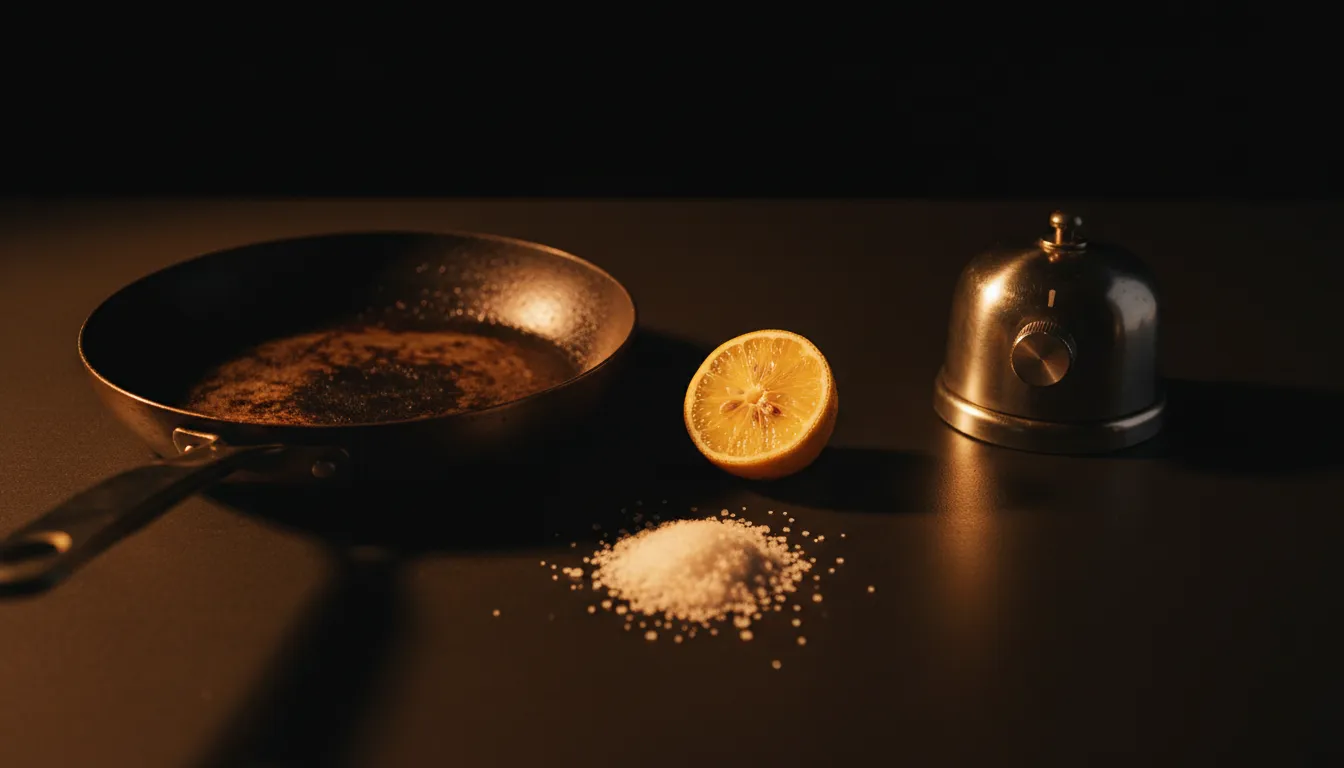
An “I tried it so you don’t have to” TikTok works when three things are true: viewers know in the first two seconds what you’re testing, they watch the attempt happen on screen, and your verdict is clear enough to act on. Get those right and the video earns saves, because the viewer leaves with a decision they didn’t have to make the hard way.
Showing the attempt on camera is where the views tend to be. In Blossom’s library, challenge-style videos, where you attempt something on camera and the outcome is uncertain, reached 4.46 times the views their account usually gets (658 videos). Product reviews that walk through an item reached 0.80 times (939 videos). The attempt format came out about 5.6 times higher (4.46 / 0.80 = 5.58).
Why the test video format works
Everyone has a list of things they’ve wondered about and never tried: the viral cleaning hack, the hyped gadget, the 5 a.m. routine, the four-ingredient recipe that looks too easy. Trying them costs money, time or a ruined Saturday, and your test video removes that cost.
That gives the format three advantages built in from the start:
- The question is already in the viewer’s head. “Does this actually work?” is something they asked before they found you.
- The ending is a real payoff. A verdict answers a real question, which is why viewers wait for it.
- The result is useful after the video ends. A clear “buy it” or “skip it” is something people save, send to the friend who was about to try it, or check before a purchase.
A save means “I’ll need this later,” and nobody needs a shrug later. So the verdict is the reason your video exists.
How do you structure an “I tried it” video?
Use four beats: the claim, the attempt, the verdict, and a close worth saving. The details change by niche, and the order mostly holds.
1. Name the claim in one line
Open with exactly what you’re testing and the claim attached to it. Say “This video says you can clean a burnt pan with salt and a lemon in two minutes,” rather than “I tried a viral hack.”
A specific claim does two jobs at once: the right viewer recognizes their own question instantly, and you set the bar the test will be judged against. “Two minutes” is a promise you can check on camera.
Add the stakes if you can: “I almost threw this pan away” or “this cost me $40.” We covered why a stake turns a statement into a hook in question hooks and the curiosity gap.
2. Show the attempt on camera
Most test videos break right here, because the creator talks about what they’ll do, then about what they did, and the viewer never sees it happen.
Show the pour, the scrub, the first bite, the timer on the counter. Watching the result form is what makes your verdict believable later. Demonstration formats in Blossom’s data point the same way: life hack videos that solve a problem on camera reached 4.14 times their account’s usual views (1,452 videos).
Habits that keep the attempt tight:
- Cut to the moments that change something. Setup, first contact, the turning point, the result.
- Keep a visible measure in frame. A timer, a scale, a receipt. Proof on screen does more than proof you describe.
- Let your real reaction land. A real flinch or “oh, wait” beats a scripted “wow.” Viewers spot fake reactions fast.
3. Give a verdict clear enough to act on
Say it plainly, say it once, and make it a decision: “Works, but only on stainless steel,” “Skip it, the $8 version does the same thing,” “Worth it if you cook every day.”
Two failures show up again and again:
- A mushy verdict. “It was okay, kind of depends” leaves the viewer with nothing. If it depends on something, say what it depends on, and that’s still a clear verdict.
- A verdict that comes too late. If your video is 45 seconds and the answer comes at second 42, most viewers miss it. Try a short spoiler early (“it half works”), then show why, and viewers will stay to see how it half works.
This mirrors how to structure a product review video: verdict first, then the test that proves it. A test video is a review where the product is a claim.
4. Close on something worth saving
End on the detail the viewer will want later: when the thing works, the cheaper option, the one step that made the difference, since that’s the part people save.
Skip “follow for part two” unless part two exists and part one already gave a full answer. Holding back the verdict for a follow breaks the promise in your own title. More on endings in the closing line that earns the save.
Why honest results hold up better than hype
It’s tempting to make every result dramatic, life-changing or a total scam, but honest results hold up better over time. Viewers who try the thing after watching will find out what it really does, and if your verdict was inflated, the comments will tell everyone.
Habits that build trust and also help watch time:
- Say what you expected going in. “I was sure this would fail” makes a surprise success land harder.
- Show the flaw even when it works. “It worked, but it took twelve minutes, not two” is the exact detail your viewer needs.
- Disclose a sponsored test early. If you were paid or gifted, say so up front. A hidden sponsorship found later damages every verdict you’ve given.
The best test accounts are reliable, so their “yes” means yes.
Variations that keep the format fresh
- The head-to-head. Test two versions against each other: expensive vs cheap, viral hack vs the normal way. In Blossom’s data, side-by-side product comparisons reached 1.64 times their account’s usual views (36 videos), against 0.80 times for single-product reviews (939 videos), about 105% higher.
- The long-run test. “I used this every day for 30 days.” A time-lapse makes the verdict carry more weight.
- The expert re-test. Try it the way the viral video did, then the way a professional would, and the gap between them is the content.
- The series. Same structure with a new claim each episode, so viewers learn the rhythm.
Mistakes that sink a test video
- A vague opener. “I tried a weird hack” makes the viewer guess, so name the claim instead.
- Narrating the attempt. Twenty seconds of talking to camera while the attempt gets three.
- No measure. If nothing on screen proves the result, the verdict is just your opinion.
- A cliffhanger verdict. Making viewers follow to learn the answer your title promised.
- A claim nobody wonders about. Pick claims your audience has actually seen and doubted.
Find where your test video loses people
Blossom maps where viewers are likely to drop, with timestamps. For a test video, check two places first: the setup before the attempt starts, and the gap right before the verdict. It also gives your opening a Hook Power score out of 100 and explains it, so you can see whether you named a specific claim. Blossom scores the video; it can’t promise views. Try it on your next test.
FAQ
How long should an “I tried it” video be?
As long as the attempt needs and no longer. Cut to the moments that change something, and get the verdict in before most viewers leave.
Should I give the verdict at the start?
A short spoiler early often holds viewers better than a late reveal. Say “it half works” up front, then show the attempt that explains it.
Do test videos get more views than reviews?
They did in Blossom’s data, by a wide margin. Challenge-style attempts reached 4.46 times their account’s usual views (658 videos), against 0.80 times for product walk-through reviews (939 videos).
Is a head-to-head test better than testing one thing?
It went with more reach in Blossom’s data. Side-by-side comparisons reached 1.64 times (36 videos), against 0.80 times for single-product reviews (939 videos).
How we measured this
Figures come from Blossom’s library of analyzed TikTok and Instagram videos, grouped by format, pulled on 2026-11-13. For each video we compare its views with the views its account usually gets, and report the median so one breakout video can’t skew a result. Every comparison has at least 30 videos on each side.
- Challenge-style attempt: 658 videos, 4.46 times; product walk-through review: 939 videos, 0.80 times (4.46 / 0.80 = 5.58)
- Life hack solved on camera: 1,452 videos, 4.14 times
- Product comparison: 36 videos, 1.64 times; single-product review: 939 videos, 0.80 times (1.64 / 0.80 = 2.05, about 105% higher)
Blossom groups videos by format, and “I tried it” videos fall across several of these groups, so treat the figures as a guide to the shape that works. This shows what went together with reach, and it can’t show what caused it.
Read next

Are Before and After Videos Dead? What 2026 Data Shows
No, but how you open them matters. In Blossom's library, before and after videos that tease the result reach 2.71 times an account's usual views.

Are Challenge Videos Dead on TikTok and Reels? 2026 Data
No. Blossom data shows challenge videos at 3.31 times an account's usual views across 767 videos, and their share of new posts is rising.

Are Dance Trends Dead on TikTok? What the Data Shows in 2026
No. In Blossom's library, dance trends took a 2.87 times larger share of dance videos in the last four weeks (106 videos) than in the eight weeks before (135).