Dance Video Camera Angles: Close-Up, Faceless or Front-On?
Close-up dance videos reached 6.44 times their usual views in Blossom data, against 4.34 typical; faceless ones reached 6.27. Front-on shots sat below.

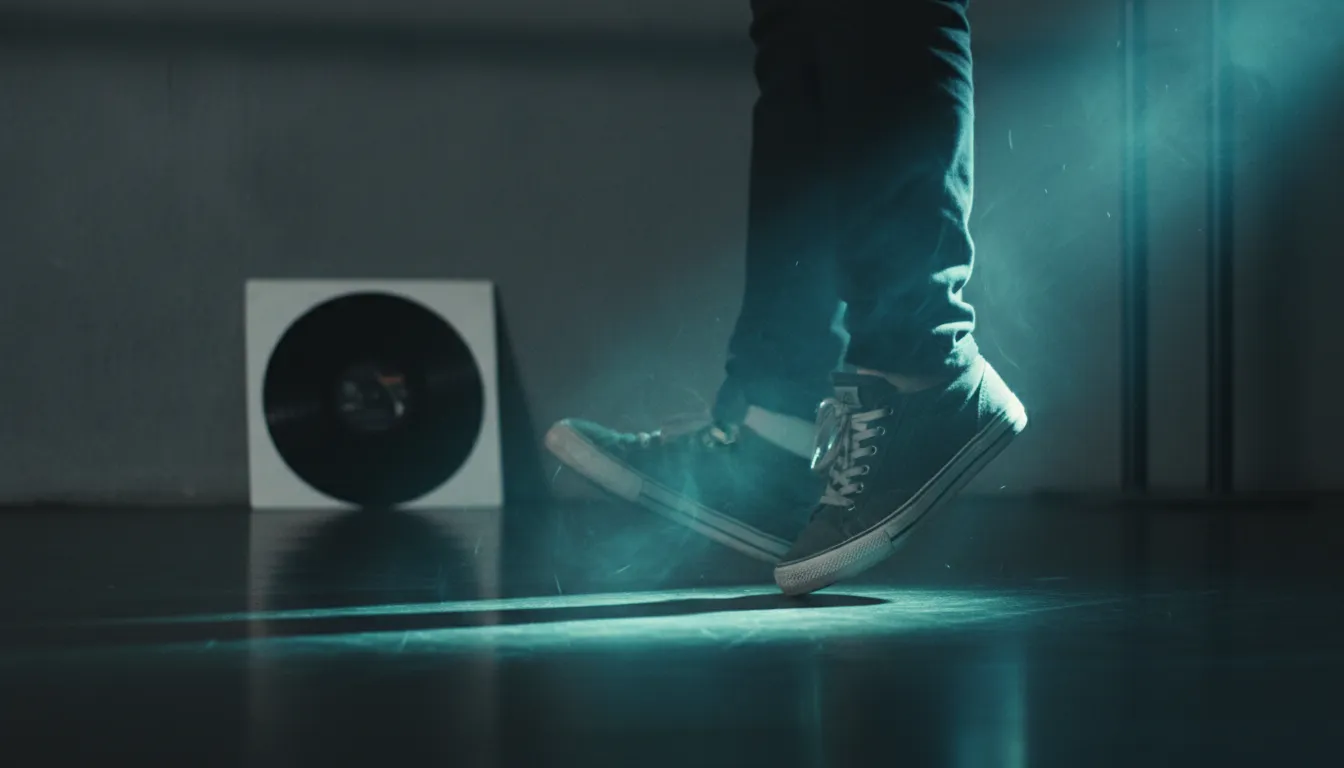
Film close-ups and faceless shots if you want more reach on your dance videos. In Blossom’s library, dance videos with tight close-ups on feet, hands or details reached 6.44 times the views their account usually gets (267 videos), against 4.34 times for the typical dance video (4,831 videos). That’s about 48% higher.
Faceless dance videos came close behind at 6.27 times (221 videos). The two most common setups, looking straight into the lens and filming on one fixed angle, both sat below typical.
What’s the best camera angle for dance videos?
Close-up detail shots, with faceless framing a near tie. Here’s every framing choice with at least 30 dance videos in the last six months, sorted from the highest reach to the lowest.
| Dance videos that… | Times the account’s usual views | Videos | Against the typical dance video |
|---|---|---|---|
| Use tight close-ups on feet, hands or details | 6.44 times | 267 | about 48% higher |
| Keep the dancer’s face out of frame | 6.27 times | 221 | about 44% higher |
| Have the dancer look straight into the lens | 3.55 times | 872 | about 18% lower |
| Stay on one fixed camera angle with no cuts | 2.99 times | 2,112 | about 31% lower |
| All dance videos (typical) | 4.34 times | 4,831 | baseline |
The single fixed angle was the most common setup by far, with 2,112 videos. That’s about 44% of all dance videos in the sample, and it reached the least.
Close-ups on footwork reached more than front-on shots
Close-up dance videos reached about 81% more than dance videos where the dancer looks into the lens (6.44 / 3.55 = 1.81). You don’t need a whole video in close-up to get there. Cut in a few tight shots of sneakers hitting the floor or hands on a beat, then go back to the wide shot.
Picture a 14-second clip: the first second is a close-up of feet sliding on a wooden floor, the next six seconds are the full routine, and the last beat drops back to the feet. That’s one camera, two distances and a clean loop.
Faceless dance videos: what to pair them with
Keeping your face out of frame worked well in dance, and it worked best with text on screen. Here are all nine pairings with faceless dance videos that cleared 30 videos, sorted by reach.
| Faceless dance videos that also… | Times usual views | Videos |
|---|---|---|
| Keep text on screen through the video | 13.63 times | 76 |
| Have a styled, consistent look | 12.75 times | 64 |
| Use emotional music | 12.49 times | 34 |
| Use a trending sound | 7.19 times | 90 |
| Cut on the beat of the music | 7.08 times | 111 |
| Change shots every second or two | 6.04 times | 32 |
| Open on a styled, good-looking first frame | 5.29 times | 36 |
| Open with text that hooks the viewer | 4.31 times | 40 |
| Stay on one fixed camera angle with no cuts | 2.54 times | 79 |
Faceless with on-screen text reached 13.63 times, against 6.27 for faceless dance videos overall. That’s 13.63 / 6.27 = 2.17, about 117% more. Think of a dancer filmed from the shoulders down with one line of text like “pov: the song you said you’d never dance to”.
Faceless on one fixed angle was the weak spot, at 2.54 times. That’s about 59% less than faceless dance videos overall and about 41% below the typical dance video.
Looking into the lens sat below typical
Dance videos where the dancer looks straight into the camera reached 3.55 times usual views (872 videos), about 18% below typical. It’s the second most common framing in dance, after the fixed angle.
Eye contact still has its place in a dance video. Use it for one beat, like the last pose, and spend the rest of the clip on the movement.
How to frame your next dance video
- Cut in close-ups: footwork and hand details went with the highest reach of the four framings.
- Try a shoulders-down version: faceless dance videos sat about 44% above typical.
- Add a line of text if you go faceless: that pairing reached 13.63 times usual views.
- Change the angle at least once: the single fixed angle reached the least, at 2.99 times.
- Save the eye contact for one moment: direct-to-lens videos sat about 18% below typical.
For how to cut between these angles, read the dance pacing benchmarks. If you’re weighing a faceless account in general, see what works for faceless content.
See how your dance video is framed
Blossom tags the framing of every video you upload, from close-ups to faceless shots and fixed angles, and compares it with dance videos that went far past their account’s usual views. Blossom scores the video; it can’t promise views. Check the framing of your next dance video.
FAQ
Should I show my face in dance videos?
You don’t have to. Faceless dance videos reached 6.27 times usual views across 221 videos in Blossom’s data, about 44% above the typical dance video.
Do close-ups help dance videos?
Yes, in this data. Dance videos with tight close-ups reached 6.44 times usual views across 267 videos, about 48% above typical.
Is filming a dance in one shot on a tripod bad?
It sat below typical. Dance videos on one fixed angle with no cuts reached 2.99 times usual views across 2,112 videos, about 31% lower.
Should I look at the camera when I dance?
For one beat, sure. Dance videos where the dancer looks into the lens reached 3.55 times usual views across 872 videos, about 18% below typical.
How we measured this
Figures come from Blossom’s library of analyzed TikTok and Instagram videos in the Dance & Music category, pulled on 2026-11-15 and covering the last 180 days. For each video we compare its views with the views its account usually gets, and report the median so one breakout video can’t skew a result. Every comparison printed here has at least 30 videos on each side; pairings below that floor were left out.
- Typical dance video: 4,831 videos at 4.34 times.
- Close-ups 267 at 6.44; faceless 221 at 6.27; direct look into the lens 872 at 3.55; one fixed angle 2,112 at 2.99.
- Faceless with on-screen text 76 at 13.63; with a styled look 64 at 12.75; with emotional music 34 at 12.49; with a trending sound 90 at 7.19; with beat cuts 111 at 7.08; with fast cuts 32 at 6.04; with a styled first frame 36 at 5.29; with a text hook 40 at 4.31; with one fixed angle 79 at 2.54.
A video can use more than one framing, so the groups overlap, and several faceless pairings rest on small samples. This shows what went together with stronger or weaker reach, and it can’t show what caused it.
Read next

Are Before and After Videos Dead? What 2026 Data Shows
No, but how you open them matters. In Blossom's library, before and after videos that tease the result reach 2.71 times an account's usual views.

Are Challenge Videos Dead on TikTok and Reels? 2026 Data
No. Blossom data shows challenge videos at 3.31 times an account's usual views across 767 videos, and their share of new posts is rising.

Are Dance Trends Dead on TikTok? What the Data Shows in 2026
No. In Blossom's library, dance trends took a 2.87 times larger share of dance videos in the last four weeks (106 videos) than in the eight weeks before (135).