Makeup Video Intro: What to Show in the First Frame (Blossom Data)
The makeup video intro that reaches furthest is a startling first frame: 4.59 times usual views in Blossom data, against 0.39 times for a pretty mood shot.

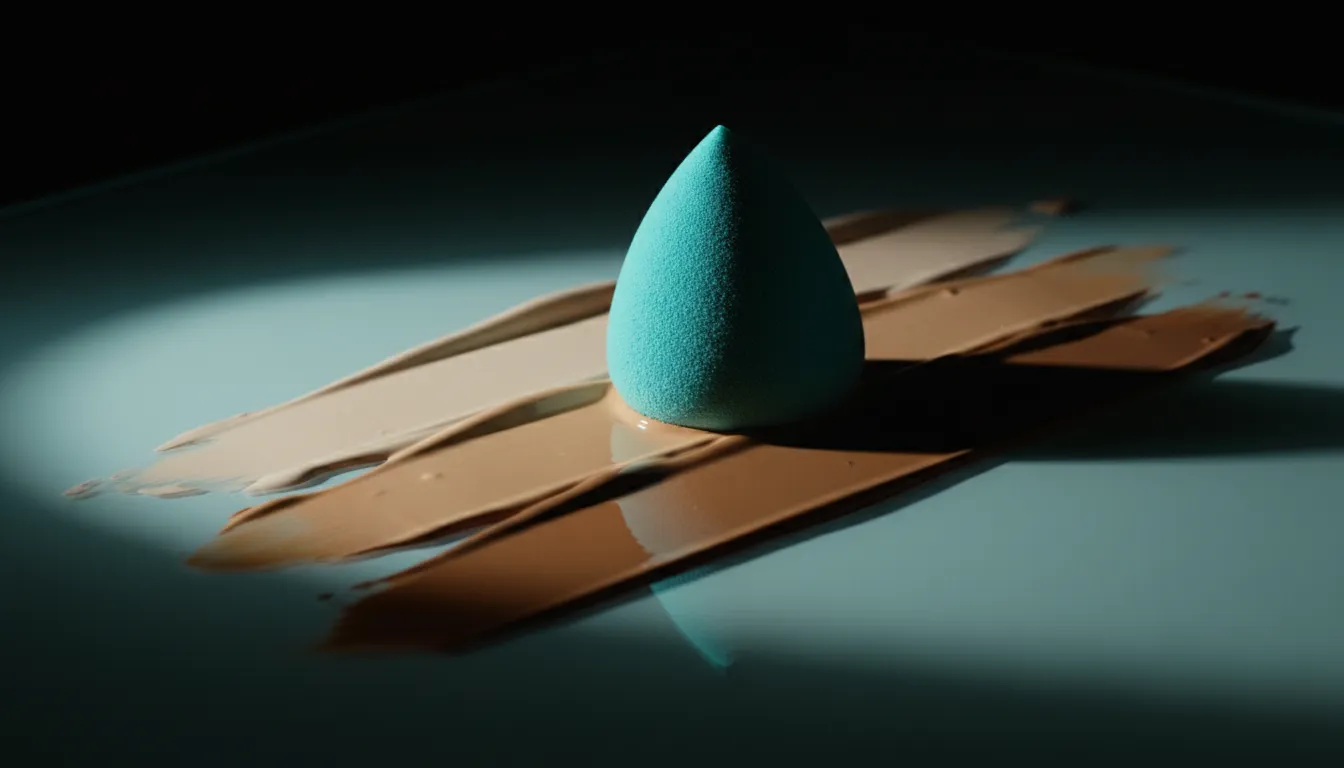
Open a makeup video on something that looks wrong or surprising. In Blossom’s library, beauty videos whose first frame looked risky, odd or shocking reached 4.59 times the views their account usually gets (115 videos). Beauty videos that opened on a slow, pretty mood shot reached 0.39 times (175 videos), less than half their usual views.
The typical beauty video reached 1.53 times its account’s usual views (2,054 videos). Only one first-frame choice beat it, and it beat it by about 200%.
Makeup video intros ranked by reach
These are all three first-frame choices with at least 30 beauty videos in Blossom’s library from the last six months, sorted from the highest reach to the lowest.
| What the first frame shows | Times the account’s usual views | Videos | Against the typical beauty video |
|---|---|---|---|
| Something that looks wrong, risky or shocking | 4.59 times | 115 | about 200% higher |
| The finished look, in second one | 1.11 times | 72 | about 27% lower |
| A slow, beautiful mood shot | 0.39 times | 175 | about 75% lower |
The mood opener is the most common of the three, with 175 videos, and it’s also the lowest. That’s the soft-lit vanity, the product lineup on marble, the slow pan over a palette.
What should a makeup video intro show?
A first frame that makes the viewer ask “wait, what is happening here?” In Blossom’s beauty data that meant half a face done and half bare, foundation smeared on with a spoon, glue on an eyebrow or lipstick drawn far past the lip line.
Showing the finished look first did worse here than it does in food. A done face looks like every other done face in the feed, while a strange first step makes the viewer stay to see how it ends.
What to pair with a startling first frame
Beauty videos that open on a startling frame vary depending on what comes next. Here’s what they reached with other choices on top, against 1.53 times for the typical beauty video.
- Setting it to a trending sound: they reached 11.13 times (39 videos), about 627% higher.
- Adding a line of text over the opening: they reached 5.92 times (37 videos), about 287% higher.
- Cutting on the beat of the music: they reached 4.75 times (39 videos), about 210% higher.
- Filming in tight close-ups: they reached 4.59 times (34 videos), about 200% higher.
- Showing a fast transformation: they reached 4.30 times (38 videos), about 181% higher.
- Building it as a before and after: they reached 4.22 times (35 videos), about 176% higher.
- Framing it as a problem and a fix: they reached 2.83 times (37 videos), about 85% higher.
So every pairing with at least 30 videos stayed above the typical beauty video. The trending sound stood out the most, and the problem-and-fix setup added the least.
A startling makeup intro, described
Picture a 10-second video that opens on a face with concealer drawn on in thick orange stripes, like a warning sign. Text reads “trust the process” across the top. Then it cuts on the beat to a sponge blending the stripes, a close-up of the under-eye, and the finished skin in the last second.
The first frame is ugly on purpose. The viewer stays because they want to see how it turns into a clean finish.
How to open your next makeup video
- Start mid-process: pick the strangest-looking step of the routine and put it at second zero.
- Add one line of text: a few words that make the odd frame make sense.
- Choose a trending sound: it was the strongest pairing in this data.
- Film tight: close-ups kept the startling frame readable on a small screen.
- Drop the slow vanity pan: if you love the shot, put it at the end.
For opening lines, read the beauty hook benchmarks. For camera angles, see the beauty framing benchmarks, and for looks and lighting, check the beauty visual style benchmarks.
Check your first frame before you post
Blossom gives every beauty video you upload a Hook Power score out of 100 and shows what the first second puts on screen. It then compares that opening with beauty videos that reached far past their account’s usual views, so you’ll know whether your intro reads as a mood shot or a scroll-stopper before it goes live. Blossom scores the video; it can’t promise views. Analyze your next makeup video.
FAQ
Should a makeup video start with the final look?
It usually shouldn’t. Beauty videos that showed the result in the first second reached 1.11 times their usual views in Blossom’s data (72 videos), about 27% under the typical beauty video.
Do aesthetic intros work for beauty content?
They’re the weakest opening measured. Beauty videos that opened on a slow mood shot reached 0.39 times their usual views (175 videos), about 75% below the typical one.
Do shocking first frames work for makeup videos?
Yes, in Blossom’s data. Beauty videos with a startling first frame reached 4.59 times their usual views (115 videos), about 200% above the typical beauty video at 1.53 times.
What sound should I use with a startling makeup intro?
A trending sound. Beauty videos pairing a startling first frame with one reached 11.13 times their usual views (39 videos), the best pairing Blossom measured.
How we measured this
Figures come from Blossom’s library of analyzed TikTok and Instagram videos, pulled on 2026-11-14, using videos Blossom classed as beauty content from the last 180 days. For each video we compare its views with the views its account usually gets, and report the median so one breakout video can’t skew a result. Every comparison has at least 30 videos on each side.
- Typical beauty video: 2,054 videos at 1.53 times
- First frame: startling frame 115 videos at 4.59 times; result first 72 at 1.11; mood shot 175 at 0.39
- Startling openings paired with: trending sound 39 at 11.13; text hook 37 at 5.92; beat-cut editing 39 at 4.75; close-ups 34 at 4.59; fast transformation 38 at 4.30; before and after 35 at 4.22; problem and fix 37 at 2.83
One video can carry more than one choice, so the groups overlap, and the pairings rest on smaller samples than the main ranking. This shows what went together with stronger reach, and it can’t show what caused it.
Read next

Are Before and After Videos Dead? What 2026 Data Shows
No, but how you open them matters. In Blossom's library, before and after videos that tease the result reach 2.71 times an account's usual views.

Are Challenge Videos Dead on TikTok and Reels? 2026 Data
No. Blossom data shows challenge videos at 3.31 times an account's usual views across 767 videos, and their share of new posts is rising.

Are Dance Trends Dead on TikTok? What the Data Shows in 2026
No. In Blossom's library, dance trends took a 2.87 times larger share of dance videos in the last four weeks (106 videos) than in the eight weeks before (135).